kiln
Health Pass
- License — License: MIT
- Description — Repository has a description
- Active repo — Last push 0 days ago
- Community trust — 234 GitHub stars
Code Warn
- process.env — Environment variable access in .github/workflows/ci.yml
Permissions Pass
- Permissions — No dangerous permissions requested
No AI report is available for this listing yet.
Build and revise procedural 3D assets with your coding agent. Local MCP server, CLI and TypeScript engine with rendered review, editable source and GLB export.
Kiln


Build and revise 3D assets with your coding agent.
The agent writes JavaScript using Kiln's geometry and material helpers. Kiln runs the
program and returns rendered views and structural checks so the agent can review its
work. Export the asset as a GLB and keep the source for later changes.
Kiln runs locally. It includes an MCP server, a CLI, a TypeScript library, and skills
for authoring, editing, animation review, and scene composition. Your agent supplies
the model; Kiln does not require a separate model API key for its tools.
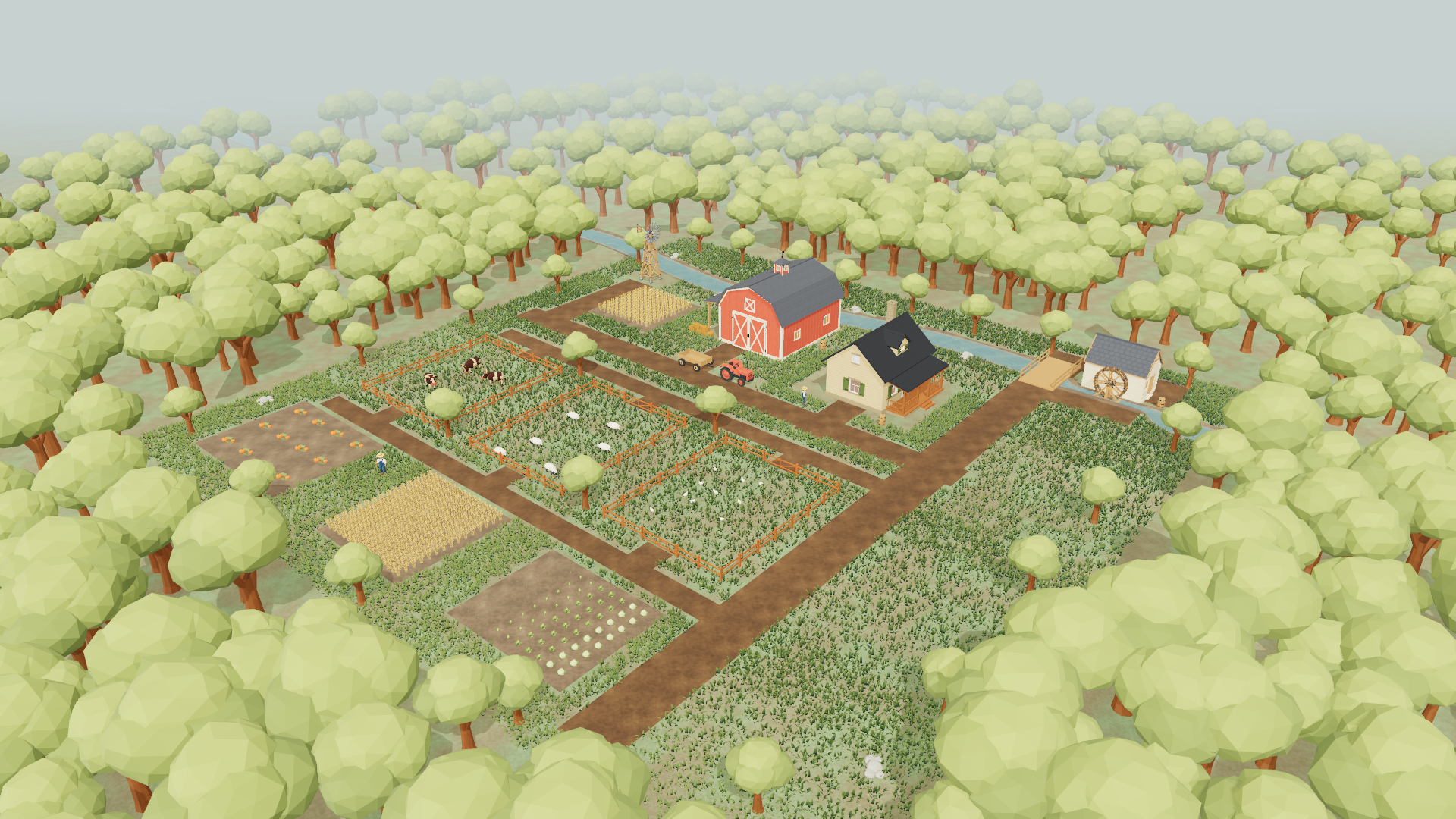
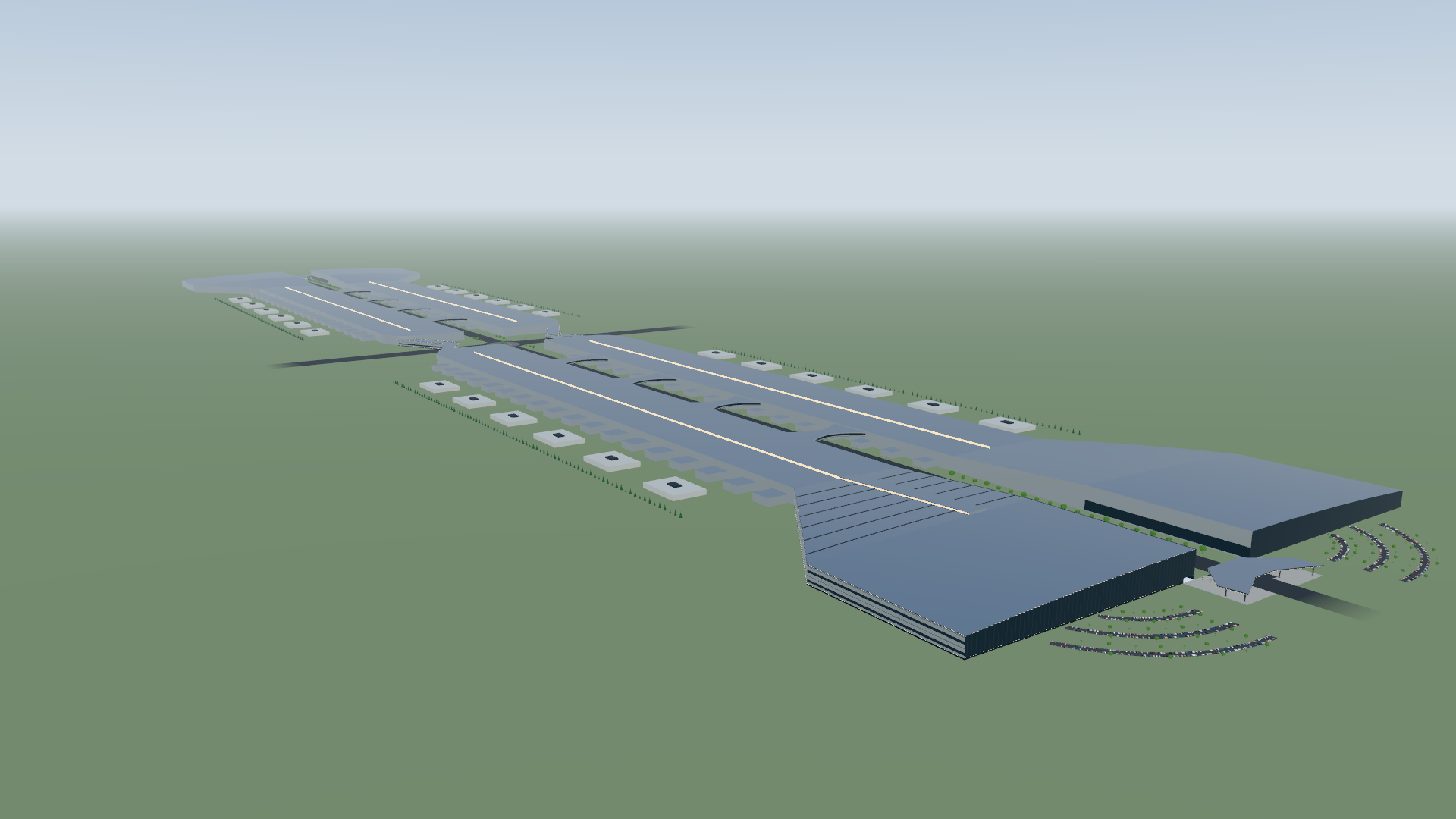
Walk the Farm, drive across
Golden Gate, or explore the
Foundry Floor, or fight as Achilles
or Hector in Troy.
The scenes put Kiln assets to work with animation, levels of detail and interactive controls.
| Farm | Golden Gate |
|---|---|
 |
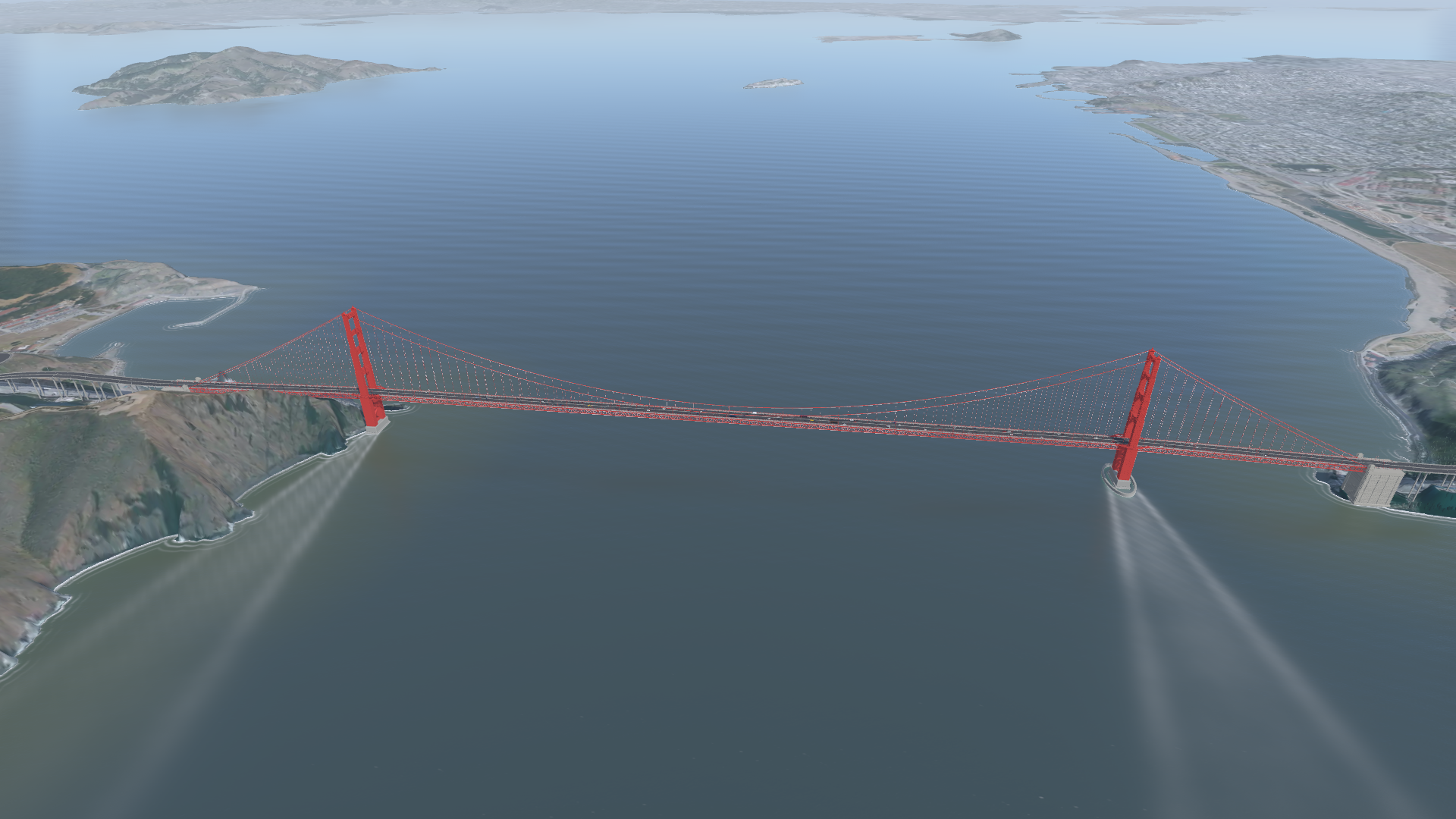 |
| Crops, animals and working farm buildings. | Bridge, terrain, water and drivable traffic. |
| Foundry Floor: the campus | Inside the fab |
|---|---|
 |
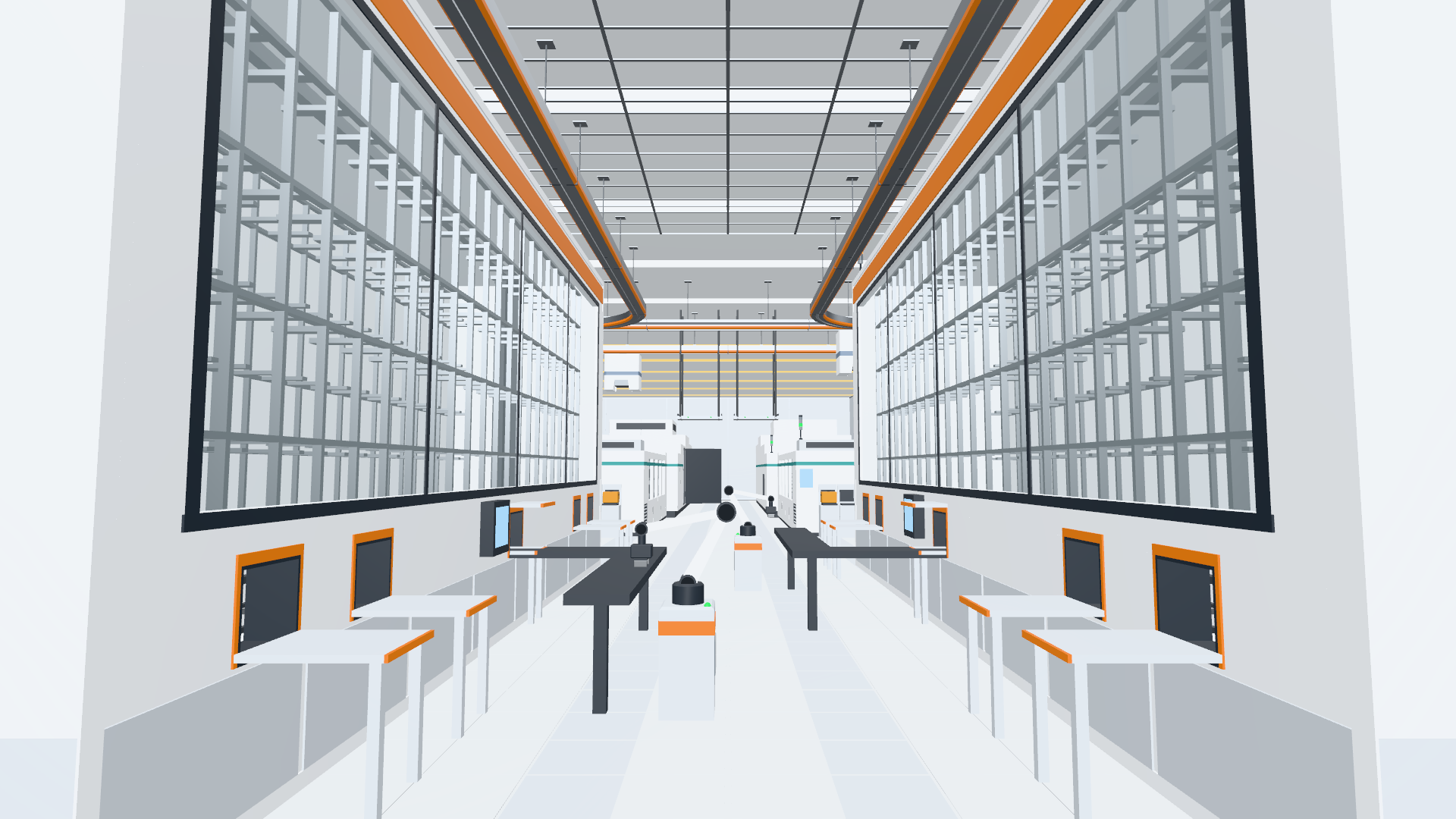 |
Foundry Floor pairs a factory campus with a representative floor in its southwest
building. AMRs, robot arms and overhead transport move containers through the fab.
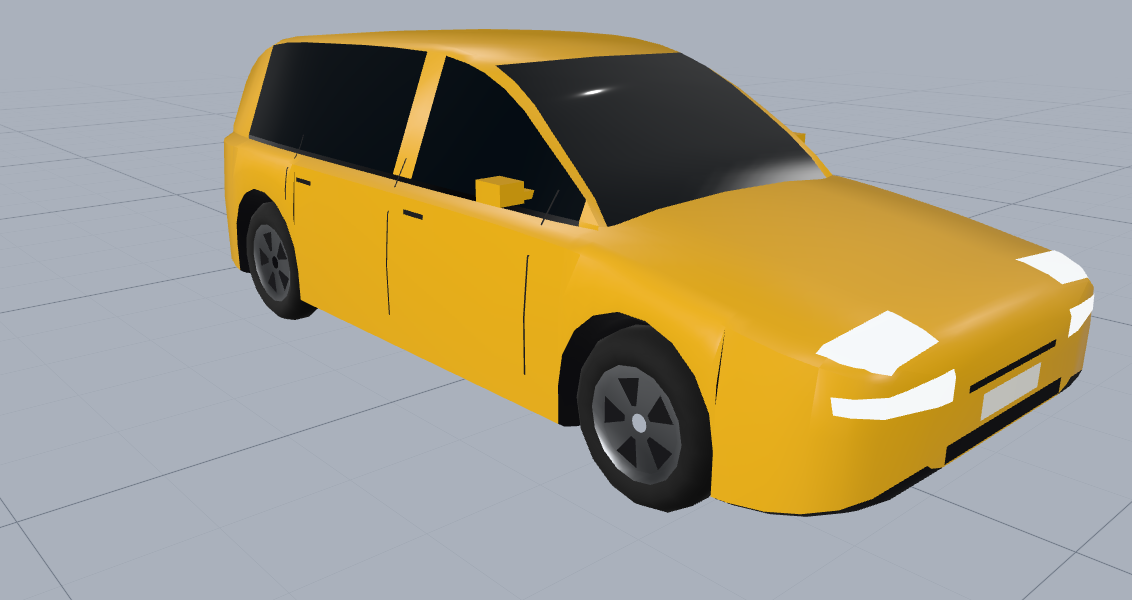
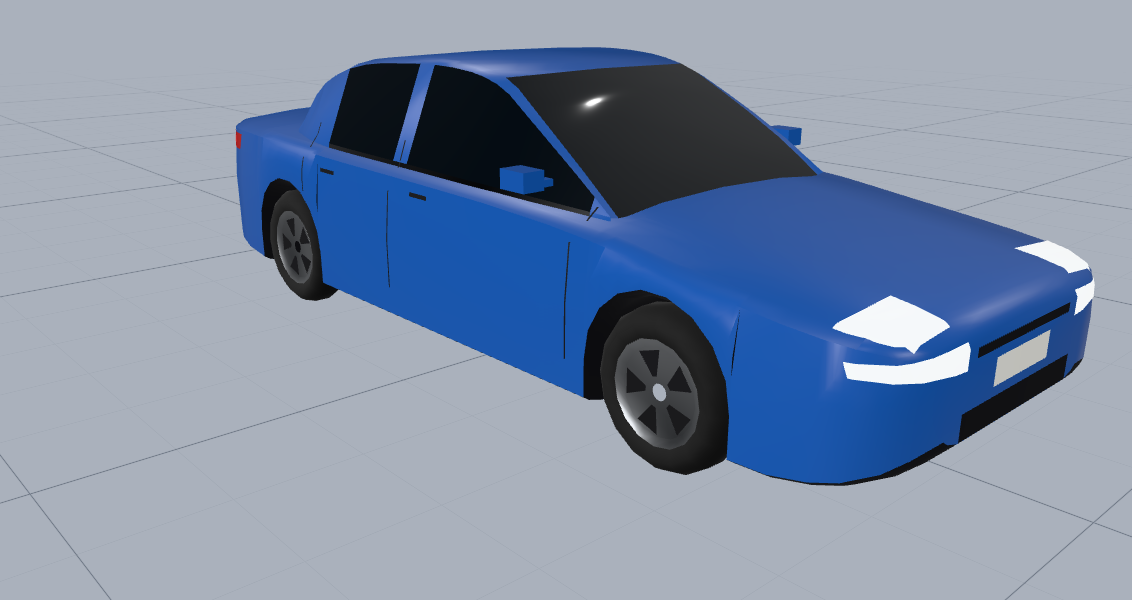
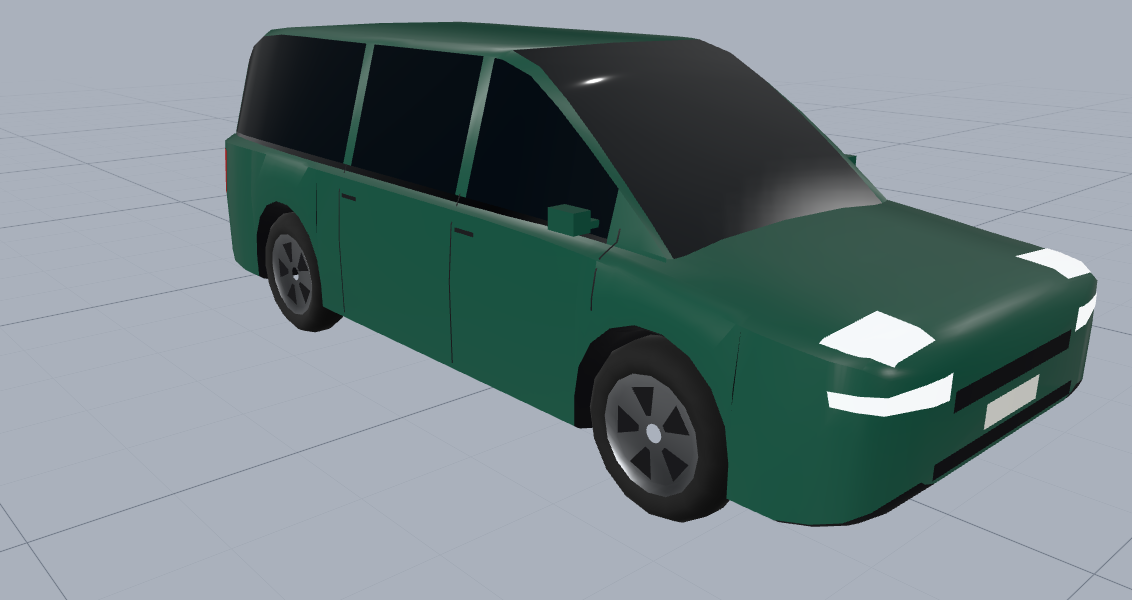
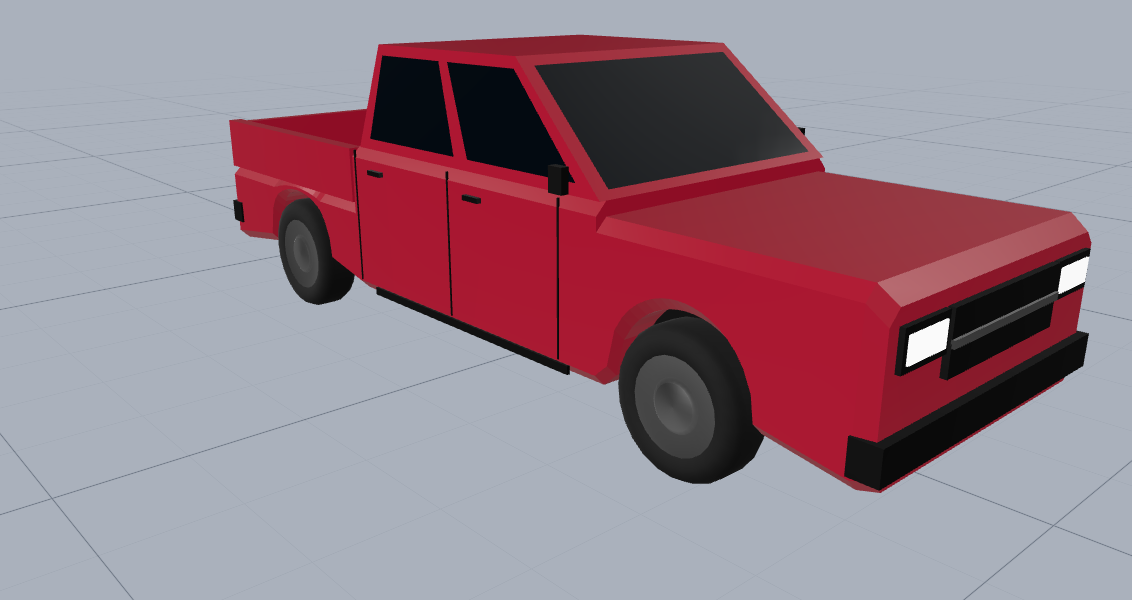
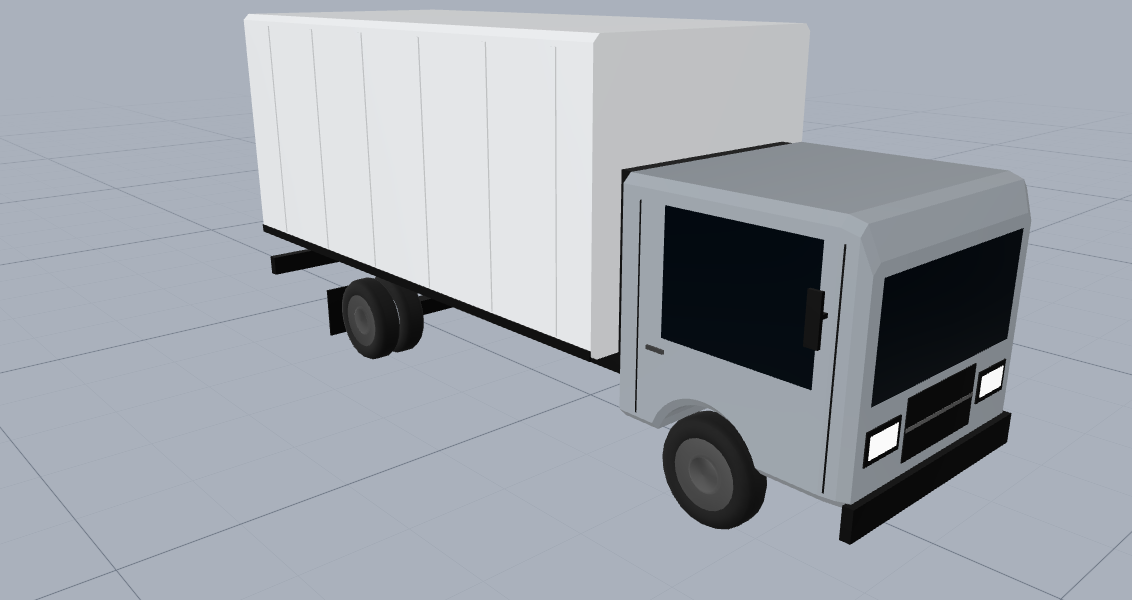
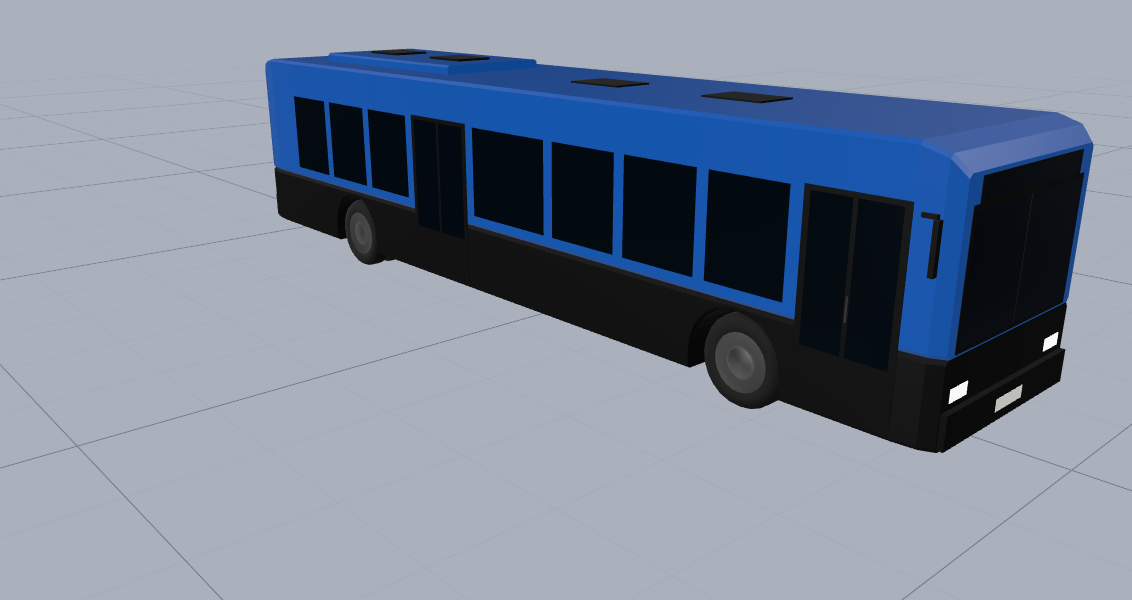
Six reusable vehicles, shown with the gallery's live body-paint controls:
| Hatchback · yellow | Sedan · blue | SUV · green |
|---|---|---|
 |
 |
 |
| Pickup · red | Box truck · silver | Transit bus · blue |
 |
 |
 |
Browse the current assets ·
Farm pack ·
Vehicles pack ·
Scenes
All five packs offer Runtime assets for applications and Editable assets with
authoring sources, materials and the available revisions. The vehicle viewer includes
live paint colours. Pack source and the maintained
Farm, Bridge, Foundry and Troy scene code are in this repository.
Large generated models and archives are downloaded explicitly from Cloudflare.
The Blender and Unity guide
describes the tested import workflows and their limits.
Kiln's local dashboard adds optional projects, a material library and Live Review.
Standalone assets remain a complete workflow; projects add shared briefs, inventories,
art direction and material pins when useful.
Earlier examples remain in the gallery and example provenance.
They are historical showcases, not golden outputs or a model ranking.
Screenshots above show the v0.9 review builds; image provenance.
Version 0.10.0 is the v1 readiness release: the stdio server serves protocol revision
2026-07-28 beside the 2025 handshakes and answers before the engine loads, the three
record tools are flat objects with an action field, every tool result is bounded and
leads with its verdict, and the generated workspace guide and skills are shorter. It
builds on 0.9.0's optional projects, material library, Live Review and calibratedreview-neutral-v1 lighting rig. CHANGELOG.md lists the changes with
each breaking one marked, and the migration notes
list what an existing author will notice.
0.10.0 is the source and site release for dogfooding. Its package tarball is attached
to the v0.10.0 release
with SHA256SUMS.txt and the installed-package receipts, as later releases' tarballs are
on the releases page; registry
publication is deferred to v1.0 after feedback, and the site deployment publishes no
package.
Install and start an asset workspace
Use Node.js 20.15.0+ on the 20.x line, or 22.2.0 and later, with npm.
Download the tarball and SHA256SUMS.txt from the release and check the tarball
against the checksum file before installing. Use only a tarball actually attached to
a release, with that release's documentation; a checkout ahead of the release
builds its own package. Bun and a separate
model API key are not required to install the tarball:
mkdir kiln-install
cd kiln-install
npm init -y
npm install /absolute/path/to/kiln-engine-VERSION.tgz --omit=dev --include=optional
npm exec --offline -- kiln-init ../my-assets --harness opencode  # or claude, codex, hermes, agy, copilot, cursor-agent
cd ../my-assets
# Follow START.md for your harness
The installation stays separate from your asset workspace. Choose claude, codex,opencode, hermes, agy, copilot, or cursor-agent for --harness.
The installation guide covers checksums,
local package builds, existing-workspace upgrades and platform qualification. For a new
installation, a maintained Node 22 or 24 LTS release is recommended; Node 20
compatibility accommodates existing distribution-managed installations.
Run from a checkout
For engine development, install Bun 1.4.2, then:
git clone --filter=blob:none https://github.com/matthew-kissinger/kiln
cd kiln
bun install --frozen-lockfile
bun run kiln render examples/crate.kiln.js --out crate.glb --views sheet.png
--filter=blob:none checks out the current tree in full and leaves historical
file contents on the server, fetching them only if you ask for an old revision.
A plain git clone also works and gives you the whole history up front.
This writes a GLB and a six-view image of an existing program. It makes no model call.
Rendering uses the CPU unless a compatible local GPU service is available.
Use --render cpu to select the CPU explicitly. Sheets sit on a neutral grey; add--backdrop dark or --backdrop light when an asset's silhouette merges with it; kiln save
takes the same flag for the preview it stores.
For anchored CLI edits, import source with kiln source asset.kiln.js, then runkiln edit RETURNED_REF --edits edits.json. The file contains an array of{ "oldString": "exact existing text", "newString": "replacement text" } objects.
The command returns a new immutable reference and diff without executing source;
render that new reference to inspect the result. kiln edit --help describes
batch limits and replaceAll.
Using assets in Blender or Unity? Read the handoff guide for direct GLB import,
materials, backfaces, named pivots and animation checks. The established exporter remains
the default. An experimental community exporter is available for explicit comparison
when you need its additional feature preservation; the guide includes activation, rollback
and known limitations. Both converters are included in this installation.
History was rewritten on 2026-09-10 to drop 288 MB of gallery renders and launch
video that no tool reads, taking a clone from 440 MB to 60 MB, or 49 MB with--filter=blob:none; measured 2026-09-12. Every commit survived and the tree is
unchanged apart from those files, but every commit hash changed, so a clone made
before that date cannot fast-forward.
Re-cloning is simplest. Before converting an old clone, back up uncommitted work
and local branches: the commands below reset the checkout and prune recovery
history. Move the tag as well as the branch:
git fetch --tags --force origin
git reset --hard origin/main
git reflog expire --expire=now --all
git gc --prune=now
--force is the load-bearing flag. oss-2026-09-05 was rewritten too, and git
will not move a tag that already exists without it: plain git fetch --tags, and
even --prune-tags, both report would clobber existing tag and leave the old
one in place, holding every removed file reachable. Omit it and .git stays at
228 MB where a fresh clone is 26 MB; run it and the same clone packs to 23 MB.
The gallery images are served from assets.kilnstudio.tools; the 83 poster
receipts that attest their bytes stayed in examples/renders/.
Connect your agent
The agent reading guide links to setup, tool schemas and the
source revision workflow in plain text.
The installation commands above create a separate asset workspace, register MCP
and copy the Kiln skills. Follow its START.md to launch your harness. Setup writes
project-local configuration and leaves your global settings unchanged. A user-level server
named kiln from another installation can still load beside the workspace'skiln_workspace; author with kiln_workspace, and disable the other server for these
sessions when the harness lists both (how to tell them apart).
If you are developing Kiln from a source checkout, create that workspace with:
bun run build:runtime
node scripts/create-workspace.mjs ../my-assets --harness opencode
cd ../my-assets
# Follow START.md for your harness
Choose claude, codex, opencode, hermes, agy, copilot, or cursor-agent for --harness, then open that harness in the
new directory using its generated START.md instructions and accept its project and MCP trust prompts. Sign in to your harness
first. The compiled MCP server and CLI accept Node.js 20.15.0+ on the 20.x line,
or 22.2.0 and later. Bun is for building and testing the engine; installed commands
do not require it. The optional native Strands agent requires Node 22.2.0+.
See the runtime requirements and qualification limits.
If the brief depends on textures, roughness, metalness, glass, or other material evidence,
check the optional GPU renderer setup before
the first authoring session. Auto mode starts a compatible local service lazily when its
dependencies are available. CPU views are useful for shape and contact, but not for judging
materials. After dependency repair or a failed startup, callkiln_renderer({action:"reprobe"}) inside the MCP session to refresh its connection.
Restart after changing Kiln, environment variables or credentials. A compatible
renderer can also run on another device: configure the MCP server'sKILN_RENDER_PORT_URL and KILN_RENDER_TOKEN, or use CLI --render-port URL with
the token in its environment. The rendering guide
covers remote service authentication and lifecycle.
Follow START.md rather than launching the harness directly. Some harnesses keep all
configuration in a user-level home and read nothing from a project directory, so the workspace
reaches them through a small generated launcher -- node codex.mjs, node agy.mjs,node hermes.mjs -- which passes the server, the program store and the directory per
invocation. Nothing is written outside the workspace and your existing configuration and
sign-in are left alone. Starting those harnesses with their bare command in the workspace finds
no Kiln tools. START.md names the right command for the harness you chose, and hermes needs one
extra user-level registration that it prints for you.
Try: “Read AGENTS.md, then make a wooden workbench with a lower shelf. Render it,
review the result, and save the source and GLB.”
Setup installs the core authoring, refinement and QA skills. Composition and batch workflows are opt-in.
These skills work with your chosen harness through CLI/MCP. The optional built-in
Strands agent adds its own workflow internally; do not copy that context into your
harness. See the workflow boundary.
The workspace contains your brief, assets, and skills. The engine source and example
collection stay in the installation directory. See clean-room setup
for the exact boundaries and headless use, or installation for other
harnesses and the plugin path.
For Google models, see Antigravity and Gemini setup. Local coding
agents use stdio directly; browser chat connections have different setup requirements.
Revise an asset
Save finished work into this workspace withnode kiln.mjs save workbench.kiln.js --name "Workbench", or add--collection library when you explicitly want it in your cross-workspace user library.
Run node kiln.mjs view to browse This project and Your library, inspect revisions,
and download Original GLB, Runtime GLB with companion metadata, or editable ZIP
bundles. Both collections use the same portable format and viewer. See saved assets and the viewer.
For application delivery, export with --profile runtime --out asset.glb to move
Kiln's animation review metadata into a hash-linked JSON sidecar. Native glTF animation
still plays without that sidecar. The default editable profile preserves saved files
exactly; keep its ZIP for source and build records. The delivery profile is independent
of the established/experimental converter selected during generation. An export never
replaces an existing file, unlike render --out, because it hands off one exact saved
revision; --json prints a receipt with each file's bytes and sha256.
Which options to use, why they exist, and examples
are also included in the authoring and QA skills installed into new asset workspaces.
Use Kiln in a chat client
Create and refine assets in ChatGPT through a private MCP connection, then ask to
see a saved revision. kiln_present opens that exact revision in an interactive 3D card in
supporting MCP App clients. Every coding harness receives exact artifact descriptors and readable
resource URIs in the JSON result; a verified host can opt into core MCP resource_link blocks.
An agent can also launch the local viewer on the saved revision and provide its loopback URL.
Orbit the model and inspect its animation without leaving chat.
ChatGPT viewing was verified with real saved assets.
- Install Kiln (or build the runtime from a checkout) and connect its stdio MCP server through an OpenAI Secure
MCP Tunnel scoped to your workspace. - Install the authoring and refinement skills with their reference files using
ChatGPT's native skill uploader. - Ask: “Make a field recorder, review the renders, save it to my project
collection, and show it withkiln_present.”
The ChatGPT setup guide covers connection, skill packaging, and
host requirements. This currently needs developer setup; it is not a public
one-click ChatGPT app. Local GLB and editable ZIP downloads work throughkiln view. ChatGPT-native GLB/ZIP attachments remain unverified; download support
depends on the client or a host-provided delivery link.
Restore source for another edit
Import an existing program from your asset workspace:
node kiln.mjs source workbench.kiln.js
The command prints a short programRef, such as p_7c94a132b8e0, identifying that
exact source. Copy it exactly for later calls:
// programRef is the value returned by Kiln.
kiln_source({ programRef, query: "shelfHeight" })
kiln_edit({
  programRef,
  edits: [{ oldString: "shelfHeight = 0.2", newString: "shelfHeight = 0.35" }]
})
kiln_source reads a bounded portion of the source. kiln_edit applies the changes
and renders the result, returning a new reference and a diff. The original revision
remains available. Text outside the replacements stays unchanged, and a failed edit
does not modify the base.
Save the new revision and export it without copying its source through the model:
node kiln.mjs source RETURNED_REF --out workbench-v2.kiln.js
node kiln.mjs render RETURNED_REF --out workbench-v2.glb --views workbench-v2.png
Replace RETURNED_REF with the new reference from the edit. Short references survive
local server restarts while you keep the workspace's store. Full SHA-256 references
are still accepted. Inline code still works for new drafts and
existing integrations. Program storage and API details.
Shape geometry and choose views
Keep equations and custom modeling functions in the program. For example, this
samples a curved sheet; the complete canopy example
adds its material, posts and sockets.
const surface = parametricSurface(
  (u, v) => [u, 1.35 + 0.22 * Math.sin(u * 2) + 0.12 * v * v, v],
  { u: [-1.6, 1.6], v: [-0.8, 0.8],
    uSegments: 48, vSegments: 24, orientation: 'vu' }
);
Use meshGeo for explicit topology, or shape existing geometry with bends, twists,
lofts and sweeps. Geometry contracts and limits.
To check an attachment, request a close-up beside a whole-asset view. Reuse theprogramRef and exact partPath from the render result:
kiln_render({ programRef, capture: {
  version: 'kiln.capture.v1', cols: 2,
  shots: [
    { name: 'Whole asset' },
    { name: 'Attachment', subject: { path: partPath },
      visibility: 'context', camera: { type: 'orbit', relativeTo: 'part',
        azimuthDeg: 65, elevationDeg: -18, padding: 3 } }
  ]
}});
The close-up follows the part's local axes while retaining surrounding geometry.
You can also set explicit camera positions, return separate images, or sample
animation frames. Either capture shape also takes backdrop: 'neutral' | 'dark' | 'light', and every result echoes the one used as capture.backdrop. kiln_save takes the
same field for the preview it stores, and the manifest records it as preview.backdrop.
Camera controls.
Tool reference
Use kiln_discover to find operations, assemblies and optional recipes in ordinary
modeling language. An empty request returns a compact overview with starting
signatures and six summaries. For example, search with { query: "curved hollow tube" },
then request { ids: ["sweepProfile"] } for a complete contract and example. Exact
batches accept up to six distinct IDs or executable names. Recipes take the id the
search prints, with or without its prefix: { ids: ["recipe:material-wood-v1"] } or{ ids: ["material-wood-v1"] }. A material recipe's summary names the call it stands
for, await materialRecipe("kiln.material.wood.v1"). Search is local and needs no
separate model, network call, or asset-category selection.
The same workflow is available from your asset workspace in the CLI:
node kiln.mjs discover --query "curved hollow tube"
node kiln.mjs discover --id sweepProfile --id createPart --json
node kiln.mjs discover --kind recipe
node kiln.mjs discover --capabilities
Search and overview accept family, kind, tags, offset and limit (default six,
maximum twelve). CLI uses --family, --kind, repeated --tag, --offset and --limit.
Browse current filter labels in the overview. Search relevance does not certify that
a helper supports the entire requested asset; read its limitations and exact contract.
kiln_list_primitives and its name, names, and category selectors are removed,
with no callable alias. Stop the harness/MCP session, then run kiln-init WORKSPACE --check and kiln-init WORKSPACE --upgrade from the updated installation. Upgrade
preserves assets and refuses conflicting local changes; resolve those explicitly
before retrying. Restart the session to load current schemas. A fresh workspace is
also supported. --repair repairs paths without upgrading copied skills. Usekiln migrate intent|manifest OLD.json --out REVIEW.json for an explicit legacy-data
review; unresolved obligations prevent activation. See migration.
The
generated tool reference covers source editing, validation,
rendering, part inspection, animation and interior views. The shared factory iscreateKilnProgramToolRegistry in @kiln/engine/tools.
Uses and limitations
The examples cover props, machinery, vehicles, buildings and rigid-part animation.
Programs are useful when you want named parts, adjustable dimensions and repeatable
variants. Organic shapes and detailed character work are less well demonstrated.
Kiln is not a reconstruction tool: a reference image does not establish unseen geometry.
Structural checks help find problems, but do not establish visual quality or suitability
for a particular game. Review scale, performance, collision and appearance in your target
scene. The CPU renderer shows geometry and base colours; inspect viewFidelity before
judging textures or PBR materials. GPU setup and materials.
Development
bun run typecheck
bun run lint
bun run test
bun run test:coverage
Tests run without model calls and use CPU rendering. Coverage thresholds are checked
in CI. Runtime changes to the MCP server or CLI must also rebuild their committed bundles:
bun run build:runtime
For bug reports, include the smallest program that reproduces the problem and the
render or error you saw. CONTRIBUTING.md covers setup, checks and
pull requests; AGENTS.md covers repository conventions.
- Library and architecture
- Headless generation
- Headless harnesses
- Program-reference design
- Example collection
- Production history
Kiln began as the engine behind Kiln Studio. The hosted product has retired; this
repository contains the open-source engine and local tools.
MIT licensed. Built by Matthew Kissinger.
Reviews (0)
Sign in to leave a review.
Leave a reviewNo results found