growth-design-review
Health Warn
- License — License: MIT
- Description — Repository has a description
- Active repo — Last push 30 days ago
- Low visibility — Only 9 GitHub stars
Code Pass
- Code scan — Scanned 1 files during light audit, no dangerous patterns found
Permissions Pass
- Permissions — No dangerous permissions requested
No AI report is available for this listing yet.
Audit UI/UX against Product Psychology & Behavioral Economics frameworks to maximize Net Perceived Value (NPV). Turn your AI into a Senior Growth Designer.
🧠 Growth Design Architect

Turn your AI assistant into a Senior Growth Designer. This skill audits UI designs and code against proven Product Psychology and Behavioral Economics frameworks to maximize conversion and user delight.
🚀 Overview
Most UI reviews are subjective. This skill makes them objective by using the same frameworks employed by top growth teams (inspired by the case studies at Growth.design). It analyzes your components, pages, and copy to calculate and improve the Net Perceived Value (NPV).
NPV = Motivation - Friction
🛠 Included Frameworks
This skill applies five distinct diagnostic layers to your code:
- Psych Framework – Assessing cognitive fuel and minimizing "Psych subtractions" (redundant fields, jargon).
- B.I.A.S. Audit – A behavioral check on how users Block, Interpret, Act, and Store information.
- C.L.E.A.R. Scorecard – A quantitative 1–5 scoring system for Copy, Layout, Emphasis, Accessibility, and Reward.
- UI Rules of Thumb – Best practices for Landing Pages, Dashboards, and Onboarding flows.
- Psychological Triggers – Implementation of the IKEA Effect, Zeigarnik Effect, and Loss Aversion.
- Shape of AI – Applying specific patterns (Wayfinders, Tuners, Governors, Trust Builders, Identifiers) to reduce friction in AI-Native interfaces.
For deep dives into these frameworks, check out the reference/frameworks.md and reference/shape-of-ai.md files.
📦 Installation & Setup
To install this skill for your AI assistants, use the skills CLI:
npx skills add woakin/growth-design-review
This will make the skill available globally across your compatible AI editors (e.g., Cursor, Windsurf, GitHub Copilot, Replit).
💬 Usage Examples
Simply ask your AI assistant:
- "Review my
LandingPage.tsxusing the Psych framework." - "Run a B.I.A.S. audit on our new onboarding flow."
- "Check this checkout component against the C.L.E.A.R. scorecard."
- "Propose a development plan to increase the NPV of this dashboard."
Example Output Preview
3. C.L.E.A.R. Scorecard
| Dimension | Score (1-5) | Finding |
|---|---|---|
| C - Copywriting | 2/5 | Headlines focus on features, not outcomes. |
| L - Layout | 4/5 | Strong Z-pattern usage. |
| E - Emphasis | 2/5 | "Skittles Effect" detected—too many primary buttons. |
🎨 Real-World Example (Before & After)
A visual breakdown of how the skill improves landing page conversion via the Psych framework and C.L.E.A.R. copywriting.
| Before | After |
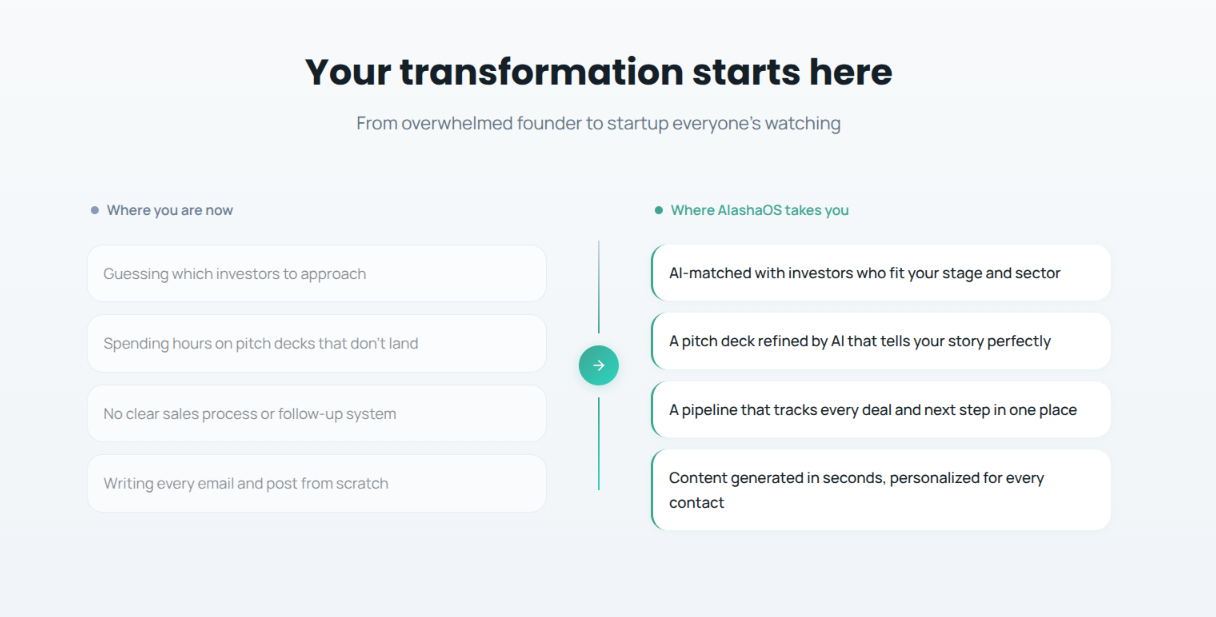 |
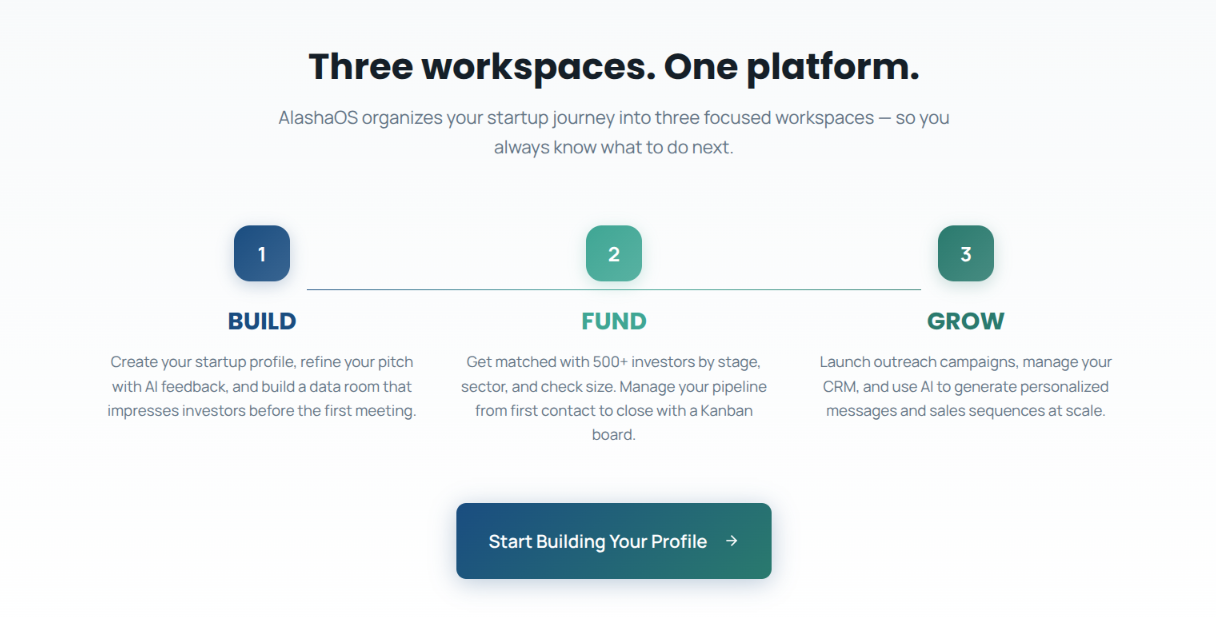 |
📂 Repository Structure
├── SKILL.md                # The core AI instruction set
├── README.md               # Project documentation
├── LICENSE                 # MIT License
├── CONTRIBUTING.md         # Contribution guidelines
├── assets/                 # Images and media for documentation
└── reference/
    ├── frameworks.md       # Deep-dive definitions of growth frameworks
    └── shape-of-ai.md      # Patterns for AI-Native interfaces
🤝 Contributing
We love contributions! If you have a new Psychological Trigger or a UI Rule of Thumb to add:
- Fork the repo.
- Update
reference/frameworks.md. - Open a Pull Request.
See CONTRIBUTING.md for more details.
⚖️ License
Distributed under the MIT License. See LICENSE for more information.
Disclaimer: This project is an independent implementation of growth principles and is not officially affiliated with Growth.design.
Reviews (0)
Sign in to leave a review.
Leave a reviewNo results found