evolving-agents
Health Gecti
- License — License: Apache-2.0
- Description — Repository has a description
- Active repo — Last push 0 days ago
- Community trust — 453 GitHub stars
Code Gecti
- Code scan — Scanned 12 files during light audit, no dangerous patterns found
Permissions Gecti
- Permissions — No dangerous permissions requested
Bu listing icin henuz AI raporu yok.
A director agent that learns how your team works: it plans by walking your CLAUDE.md and memory as linked statements, delegates to Claude Code or local models, and keeps each lesson as a gated, versioned patch. Measured: 0.929 vs 0.589.
Evolving Agents
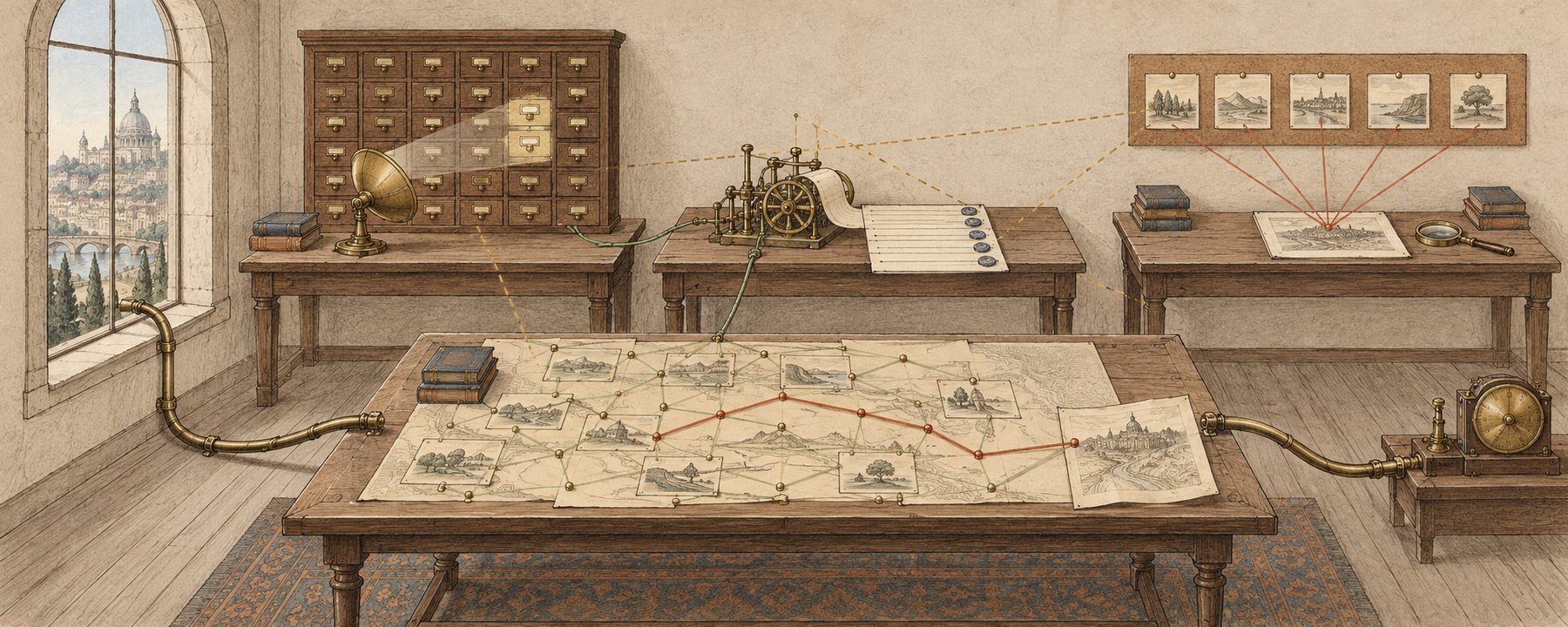
An open lab for agents that learn how a team works — and can show what they learned.
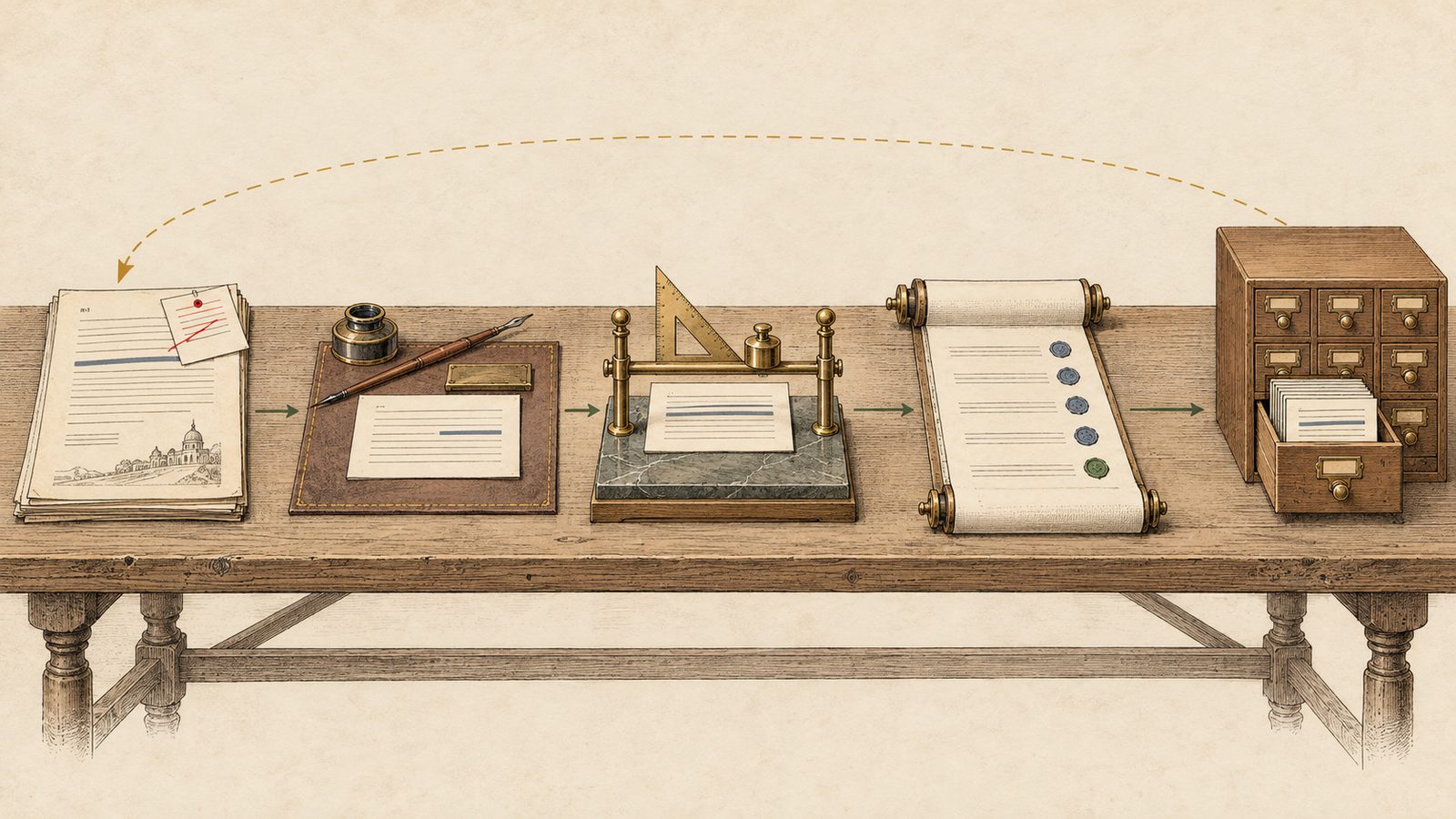
A director keeps the team's way of working as a memory of small, linked, verifiable statements. It plans
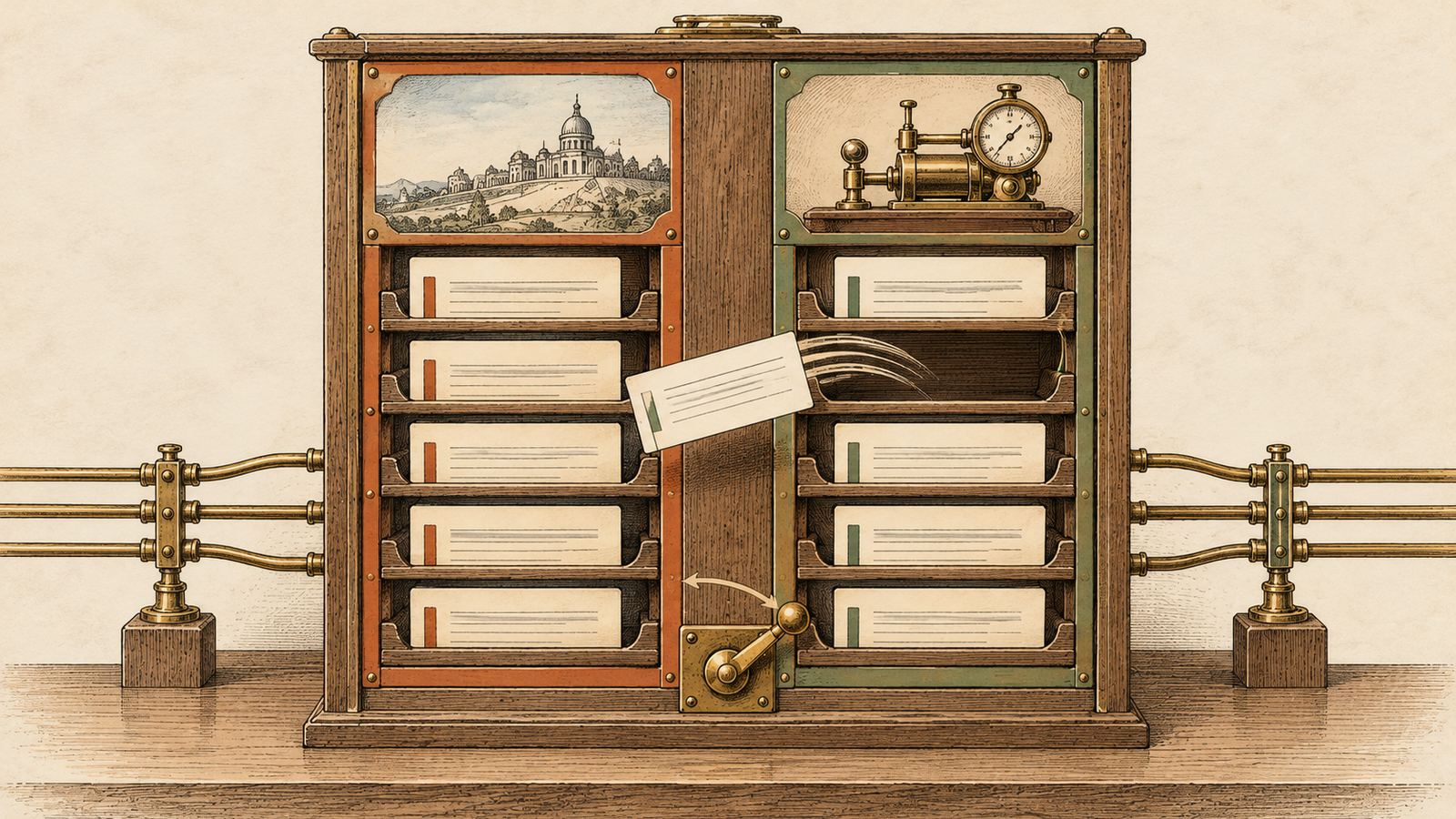
by walking that memory, hands each step to a frontier model or to small local specialists, and learns from
every task — each lesson a gated, versioned patch that can be blamed or bisected. Every number below was
measured, including the ones that came back flat.



Your CLAUDE.md, actually followed
You wrote the rules down. Your agent still breaks them under pressure — on 14 real situations, a Claude Code
session with the rules loaded planned by them 0.589 of the time; the director, walking the same rules compiled
into linked statements, 0.929. If you keep a CLAUDE.md, an AGENTS.md or Claude Code's memory, this is for you:
- it recalls the rule at the moment it applies — and cites the statement it followed in every step of its plan;
- it learns from your corrections — each lesson proposed, checked against what it already knew, and kept only
if you accept it, as a reversible, versioned patch; - it learns where you want work done — move a task from the frontier to your local model once, and it plans the
next one like it there.
Try it on your own instructions
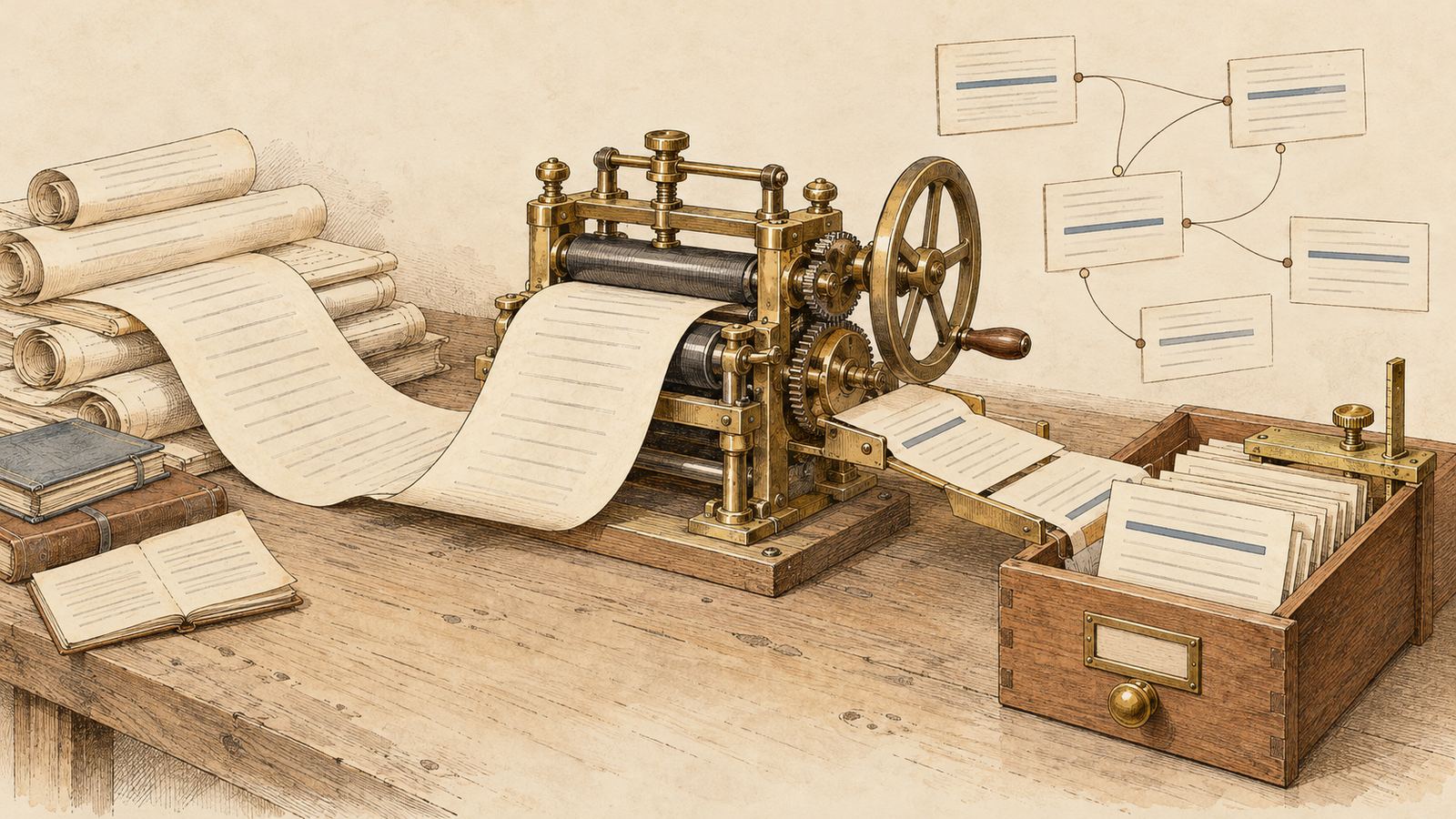
git clone https://github.com/EvolvingAgentsLabs/evolving-agents && cd evolving-agents/packages/director
# compile your instructions into a memory (Claude Code with Opus; one compile of ~60 files: about US$5)
python3 -m director.compile --claude-md ~/your-project/CLAUDE.md \
    --memory-dir ~/.claude/projects/<your-project>/memory --workdir ~/your-project
python3 -m director.server --config ~/.config/director/director.json      # open http://127.0.0.1:8740
Needs Python 3.10+ and Claude Code (claude on your PATH). Standard library only. The
memory stays on your machine. What it costs, what it does not do yet, and every measurement:packages/director/ · the plan ahead: ROADMAP.md.
The system
| piece | what it does | measured [ran] | where |
|---|---|---|---|
| director | the meta-agent: walks the operational memory to plan, delegates to Claude Code or to local models, learns from each task and from where the user moves work | planning the team's way 0.929 vs 0.589 for today's session (14 real situations); learning from tasks 0.0 → 0.781 on held-out probes, nothing broken (0.964); learning the lane 0 / 6 → 6 / 6 after one move | packages/director/ — here |
| lora-kernel | the local lane: one small resident model, many specialists (adapter + library + scoped tools), a router that abstains to the frontier | a specialist beats the bare base on its job, 70/70 vs 27/70; 0 of 600 foreign texts served locally; edited facts answered 17/17 with no retraining | lora-kernel |
| agentvcs | the ledger: every change to a harness — and every lesson the director keeps — is a gated patch you can diff, merge, blame and bisect | protocol conformance 117/117; on a real model, blame credited +0.442 to exactly the one patch applied mid-run; bisect names a regression blame can only credit jointly | agentvcs |
| gene-evidence | the case study: a report on a predicted gene in which every sentence cites the tool output it rests on, the same bytes on every run | built and reproducible; its known limitation, measured: it explains candidates, it does not rank them | gene-evidence |
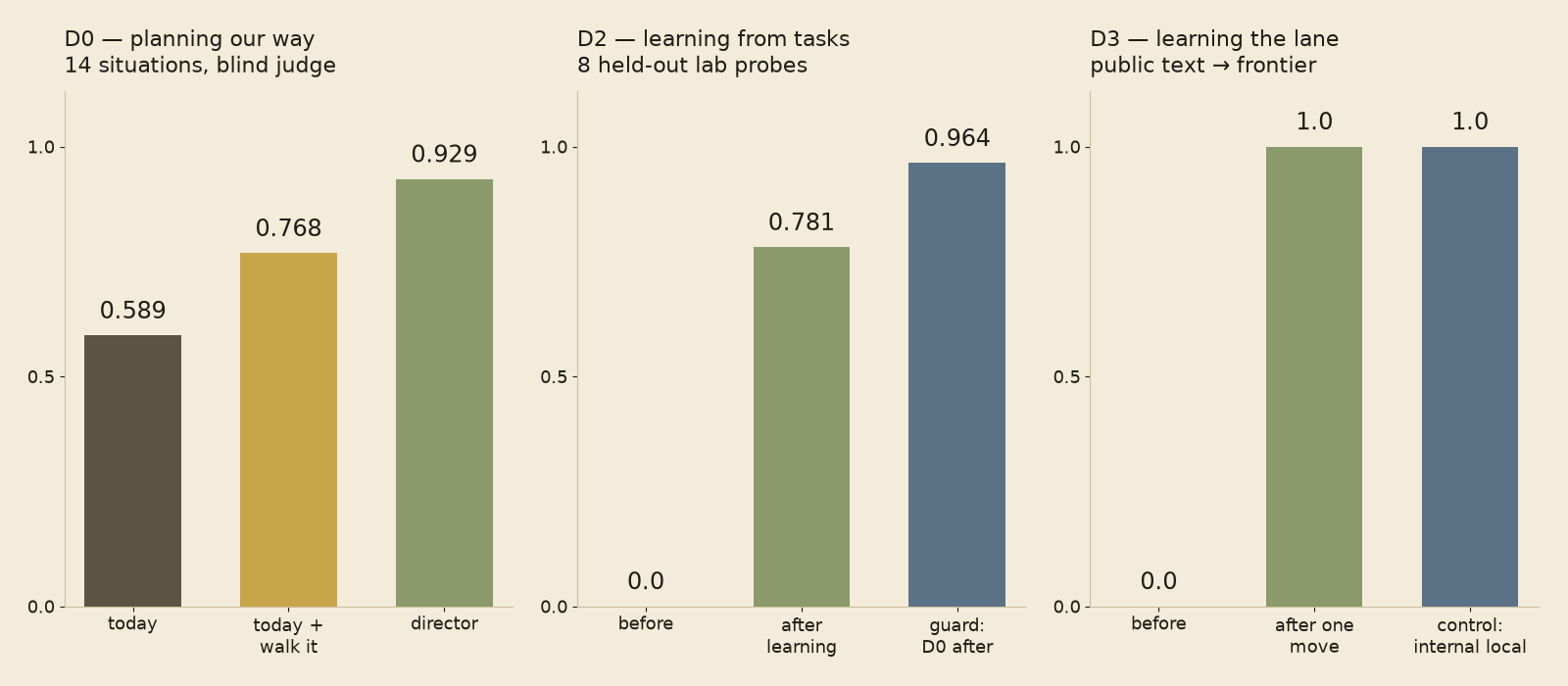
How the pieces connect — built, and planned. Built: the director delegates to Claude Code and to any
OpenAI-compatible local server (it ran on llama.cpp on a 16 GB laptop), and every memory edit it keeps is an
agentvcs patch, gated and applied (blame credits the learning patch with its +0.781); agentvcs reads
lora-kernel's configuration as a manifest and gates changes to it. Planned: the director's local lane through
lora-kernel's specialists and router, rather than a bare model; gene-evidence's reports drafted by a lora-kernel
specialist and versioned by agentvcs.
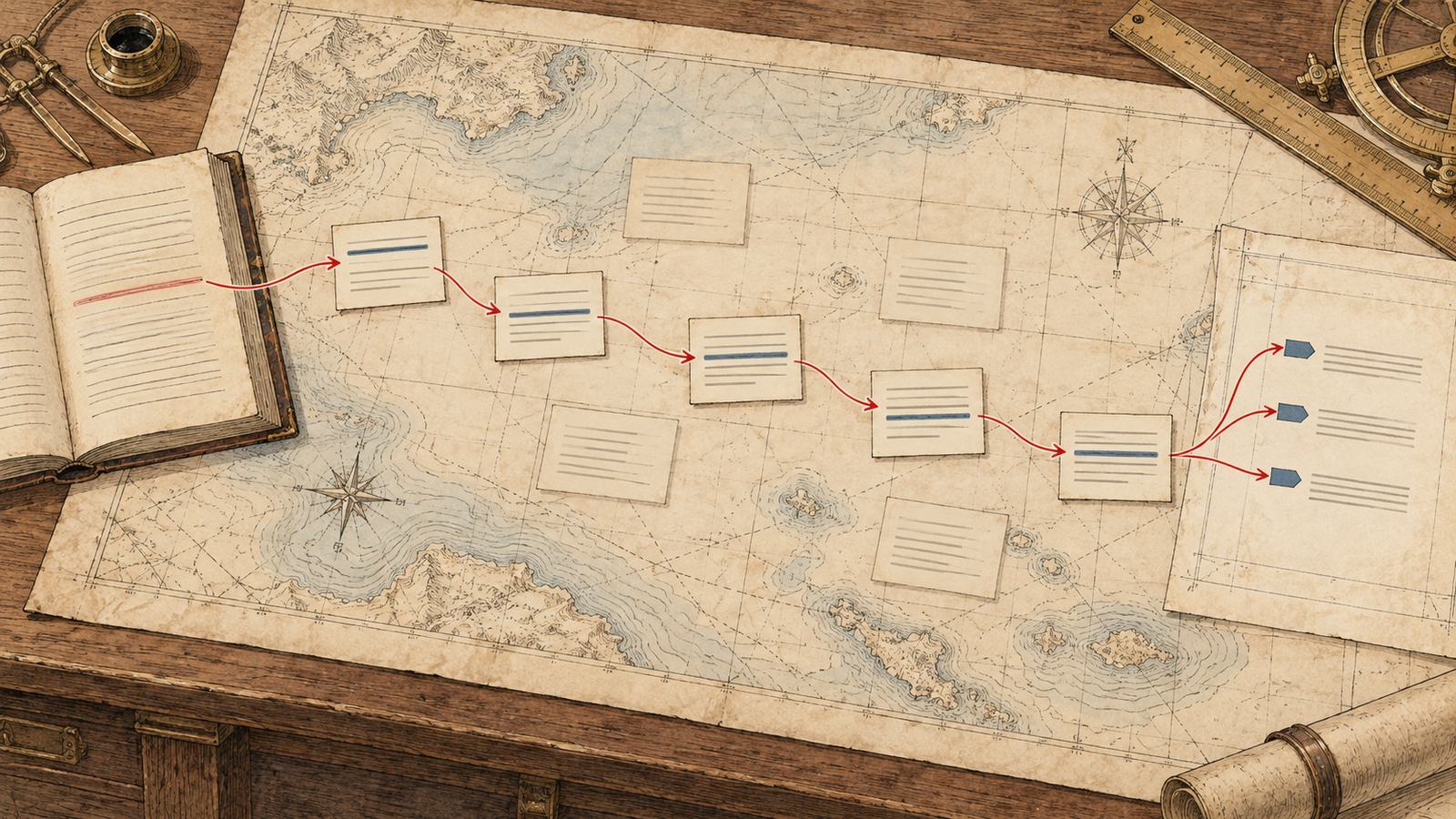
The director, in three pictures
| plan by walking the memory | learn from a task | learn where work runs |
|---|---|---|
 |
 |
 |
What it is, how to run its interface, and every measurement with its brief: packages/director/.
The organisation's public projects
| status | ||
|---|---|---|
| evolving-agents (this repository) | The hub: the director, and the lab's earlier work — the Agent SDK plugin, the ai-os subtree, packages/, the robot demo, the 2025 toolkit |
active — the director; the rest paused |
| lora-kernel | An operating layer for specialized local AI agents: one small resident model, many specialists, a router that abstains to a frontier model | active |
| agentvcs | Version control for live-patched agent systems: a Rust core, gates, merge with Claude Code, blame and bisect | active |
| gene-evidence | An evidence report for predicted genes, every sentence cited | active — prototype |
| verified-runtime | model × harness × representation × verifier, the measurement bench before lora-kernel | paused |
| physics-verifiers | RL environments whose reward is computed by physics; what stands is a generator of tasks with exact truth | paused — last change 2026-08-16 |
| nightshift | A procedural and epistemic memory engine, as a Claude Code plugin | proof of concept — last change 2026-08-31 |
| evolvingagentslabs.github.io | The website, with a nightly check of every number it publishes | active |
Twenty-five more repositories are archived and read-only; each is listed, with
where it moved, at evolvingagentslabs.github.io/archive.
The Agent SDK plugin (paused)
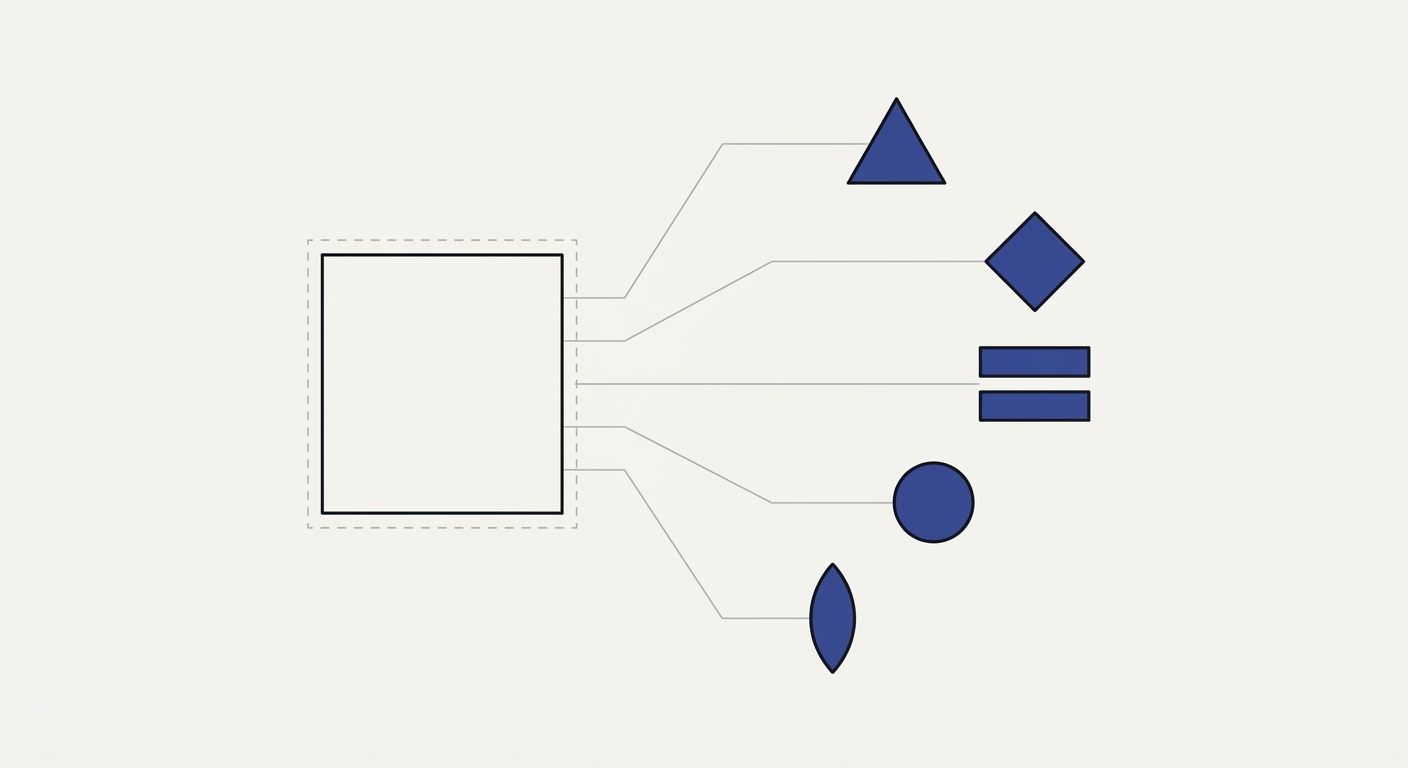
The loop is solved. What happens after the fork is not. A plugin for the
Claude Agent SDK that versions an agent's evolution — diff
it, merge it, refuse to ship it when the eval fails. Its ideas continued in agentvcs; the director is where they
now run.
The gap
The Agent SDK runs the loop, ships the tools, manages context, and enforces
permissions. It also branches: fork gives you a second session starting from a
copy of the first.
Nothing brings the two back together. There is no merge, no diff between two
sessions, nothing that refuses to promote an agent whose eval regressed, and the
transcript is plain JSONL that anyone can edit. Sessions persist the
conversation — the skills, subagents, model and goal that produced it are not
versioned alongside it.
That gap is this repository. Most of it is closed; the last row is not, and it is
the one worth being precise about.
| Agent SDK | This plugin | |
|---|---|---|
| Branch a session | fork |
— |
| Snapshot code, goal, models and trace as one unit | — | avcs_commit |
| Compare two snapshots | — | avcs_diff, per dimension |
| Rejoin two snapshots | — | avcs_merge, with a --reconcile seam for goal and trace |
| Refuse to ship a regression | — | avcs_freeze, which fails unless the eval passes |
| Prove a transcript wasn't edited | — | Ed25519-signed commits |
| Keep the trace past compaction | summarised away | archived by the PreCompact hook |
| Diff or merge two forked sessions | — | not yet — M1 |
The unit avcs_diff and avcs_merge operate on is an agentvcs commit, not an
SDK session. Both work today, and neither will take two session IDs: a session is
an append-only event log, and the adapter that turns one into something mergeable
does not exist yet. Two forked sessions do share a prefix, so the common ancestor
is findable — the open question is what a conflict means when both branches are
conversations that reached different conclusions about the same file.
That adapter is M1, it has not started, and it is the reason this
repository exists rather than a detail of it.
Install the plugin
from claude_agent_sdk import query, ClaudeAgentOptions

options = ClaudeAgentOptions(
    plugins=[{"type": "local", "path": "/path/to/evolving-agents/plugin"}],
)
Full details in plugin/README.md. The MCP server has zero
runtime dependencies — standard library only, with a test that fails if that
ever stops being true.
What is here
ai-os/ |
Paused — last changed 2026-09-06, the day it arrived as a subtree; the lab's work has since moved to lora-kernel. An agent-based operating system on a vendored QM base: flows, a desk you arrange, agents as markdown, memory at four levels. 851 tests, CI, a running stack |
packages/director/ |
Active. The director: plans by walking the operational memory, delegates to Claude Code or local models, learns from tasks — measured in D0–D3 |
plugin/ |
The Agent SDK plugin: MCP server + three hooks |
packages/agentvcs/ |
Frozen copy. agentvcs lives again in EvolvingAgentsLabs/agentvcs (Rust runtime, revived 2026-10-06) |
packages/memory/ |
Structured recall above the SDK's flat .claude/ memory files. Works; measures no better than naive matching — see PLAN.md |
demos/robot/ |
A 2D robot that evolves its own skills, versioned with agentvcs |
legacy/eat/ |
The Evolving Agents Toolkit, 2025. Kept readable; see below |
Why this repository has a 2025 in it
It was the Evolving Agents Toolkit: 18,680 lines across twelve subsystems — a
component library, an agent bus, smart memory, an evolution loop, and a
governance layer called Firmware. Backed by MongoDB Atlas.
It had three test functions.
That number is the story. EAT was not a product that failed; it was an
architecture written down and never pinned to anything that could contradict it.
Most of it is now deleted, because the SDK does it better —docs/WHAT-WAS-DELETED.md lists the 10,165 lines and
what replaced each one. Firmware asked a model to "never use dangerous
imports" in a string; a PreToolUse hook returning permissionDecision: "deny"
stops the call whatever the model decided. We do not ship our own version of a
problem that is already solved.
What survives in legacy/eat/ is the ancestry of what ships today. Readevolution/ if you read one thing: 337 lines that closed the loop between an
agent changing and that change being kept, with nothing to verify the change was
an improvement. avcs_freeze is the same idea with the missing half added.
Evidence
Claims here are measured, including the ones that came back flat.
- The dual-embedding resolver does not help. EAT indexed every component
twice — once for what it is, once for what it is for. Rebuilt and measured:
80% acc@1 either way, no difference. The second axis is genuinely distinct
(cosine = 0.753); it just buys nothing on a modern encoder. - This organisation's "byte-identical wire format" claim was wrong. Two of
three opcode regexes matched;HALThad diverged in a way that changes what
parses. Found by writing the test instead of repeating the sentence. - Retrieving past experience buys nothing on the task. EAT's
SmartMemory
and itsContextBuilderToolrest on the premise that recalling similar past
work improves the next attempt. Measured three times inai-osand the runtime
beside it: −4 against a retriever handed the solved similar cases with
their answers, +0 (p = 1.0000) against the strongest retriever
constructible, and −6 against an oracle retriever — below doing nothing.
What did move was a compact statement of a rule induced from the same
trajectories: +21 over the oracle. - The memory hierarchy loses to lexical search.
ai-storageimplements the
four levels EAT's smart memory argued for. Its first benchmark, at the ceiling
with a perfect navigator: exact search 3/3 at every corpus size, hierarchical
navigation 1–2/3 and out of steps, the flat file refusing to fit at all.
Three flat results, three architectures, one direction. The dual axis in
2025, the experience retrieval in 2026, the hierarchy after it. Each was the
obvious next structure and each was asked for a number. That is what this
repository is for, and it is why the toolkit is inlegacy/rather than
deleted: it was right about where to look and wrong about what would be there.
Breaking change
pip install git+https://github.com/EvolvingAgentsLabs/evolving-agents no longer
installs an evolving_agents package — this is a monorepo now. Install what you
want by name:
agentvcs was never published to PyPI — the release workflow exists but its
Trusted Publisher was never registered, so pip install agentvcs returns 404.
Install the frozen copy from source:
pip install "git+https://github.com/EvolvingAgentsLabs/evolving-agents#subdirectory=packages/agentvcs"
The maintained agentvcs is EvolvingAgentsLabs/agentvcs
(Rust runtime and its Python SDK; build instructions in its README).
The 2025 package sits at legacy/eat/ with its original setup.py, unchanged.
By Matias Molinas and
Ismael Faro · Apache 2.0
Yorumlar (0)
Yorum birakmak icin giris yap.
Yorum birakSonuc bulunamadi